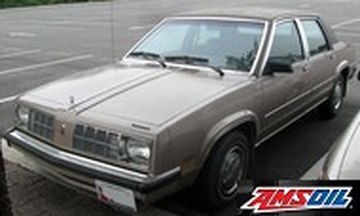
Maintaining Lubrication Integrity for the 1982 Oldsmobile OMEGA 2.5L
Proper engine maintenance is a cornerstone of long-term vehicle health, particularly when managing an engine that has been in operation for several decades. For the 1982 Oldsmobile OMEGA equipped with the 2.5L engine, consistent attention to lubrication and fluid integrity helps ensure the mechanical components continue to operate as intended. While many aspects of automotive technology have evolved since the early 1980s, the fundamental principles of monitoring oil condition and inspecting for leaks remain vital for any owner.Monitoring Fluid Condition and Potential Leaks
One of the most effective ways to monitor the health of a 2.5L engine is through regular visual inspections. Over time, various seals and gaskets may undergo changes due to heat cycles and age. It is useful to periodically inspect the area around the engine for any signs of fluid seepage or active leakage. Finding evidence of oil residue on the engine block or near sealing surfaces can be an early indicator that a component requires attention. When performing these checks, look for:- Dampness or oily residue on various engine surfaces.
- Puddles or spots on the ground beneath where the vehicle is parked.
- Changes in the color or consistency of the oil when checked via the dipstick.
Managing Maintenance Records and Service History
For owners of a 1982 Oldsmobile OMEGA, establishing a clear maintenance baseline is highly beneficial. If you have recently acquired the vehicle, reviewing any available service records can provide insight into how the engine has been treated in the past. Knowing when the oil was last changed, what type of products were used, and if any major repairs were performed helps in planning future service. If documentation is incomplete, the best approach is to begin a new, detailed log. Recording every oil change, filter replacement, and fluid inspection creates a historical map of the vehicle's needs. This practice allows you to distinguish between routine maintenance and unexpected changes in engine behavior. For instance, if you notice a sudden increase in oil consumption or a new leak, having a record of previous service can help determine if this is a new development or a long-standing condition that has recently progressed.Observing Potential Warning Signs
While many issues can be identified through routine visual checks, some signs may manifest while the vehicle is in operation. Being attentive to how the engine sounds and behaves can provide critical information regarding its lubrication state. An unusual mechanical noise during startup or while idling should not be ignored. While noises can stem from many different sources, any change in the standard operating sound of the 2.5L engine is a valid reason to seek a professional inspection. Additionally, if you observe any changes in exhaust characteristics, such as smoke that appears different than usual, it may indicate that something is entering the combustion process that should not be there. It is also prudent to monitor dashboard indicators. If an oil-related warning light illuminates, this requires immediate investigation to prevent potential damage. Always approach these symptoms with the understanding that they can have multiple underlying causes; a professional diagnostic approach is often necessary to identify the exact source of the issue.Prioritizing Long-Term Engine Care
As vehicles age, maintenance priorities often shift from simple part replacement to more comprehensive condition monitoring. Rather than following a rigid schedule based solely on the age of the vehicle, it is more effective to prioritize tasks based on the actual current condition of the 1982 Oldsmobile OMEGA. Effective prioritization involves:- Addressing any active leaks or visible seepage immediately to prevent further issues.
- Monitoring the condition of aging materials, such as hoses or belts (if equipped), for signs of cracking or deterioration.
- Ensuring that all fluid levels are checked regularly to catch consumption trends early.
- Distinguishing between necessary preventive maintenance and the unnecessary replacement of parts that are still in good working order.
Evaluating Lubricant Formulations
When it comes to selecting a lubricant, there is no one-size-fits-all solution. Modern oil technology offers several different formulations that may be appropriate depending on the specific needs of an older engine. Some owners choose conventional oils, which have been the standard for many decades. Others may look toward synthetic blends or full synthetic oils, which are engineered to provide different levels of thermal stability and resistance to oxidation. For engines with higher mileage, some high-mileage oil formulations contain additives intended for use in aging engines. These formulations often include seal-conditioning additives that may assist in maintaining the integrity of older gaskets and seals. The choice between these options should be guided by the specific requirements of the 2.5L engine and the application information provided by the vehicle's documentation.Practical Guidance for Buying Engine Oil for your 1982 Oldsmobile OMEGA 2.5L
When you are ready to purchase new lubricant, the most important step is to ensure that the product matches the specific requirements of your engine. Do not rely on general automotive knowledge or assumptions based on the vehicle's age to select a grade. Instead, match the engine oil to the application-specific viscosity information shown above on this page. Before completing your purchase, follow these practical steps:- Verify that the oil meets the appropriate API certification listed in your documentation.
- Check the product label carefully to ensure the viscosity matches what is required for your 1982 Oldsmobile OMEGA 2.5L.
- Consider whether a high-mileage formulation is appropriate based on the current condition of your engine's seals and gaskets.
- Always use the application-specific oil quantity already displayed on this page when planning your service.